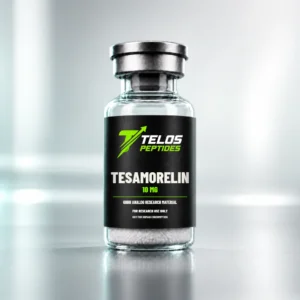
MOTS-C
$200.00
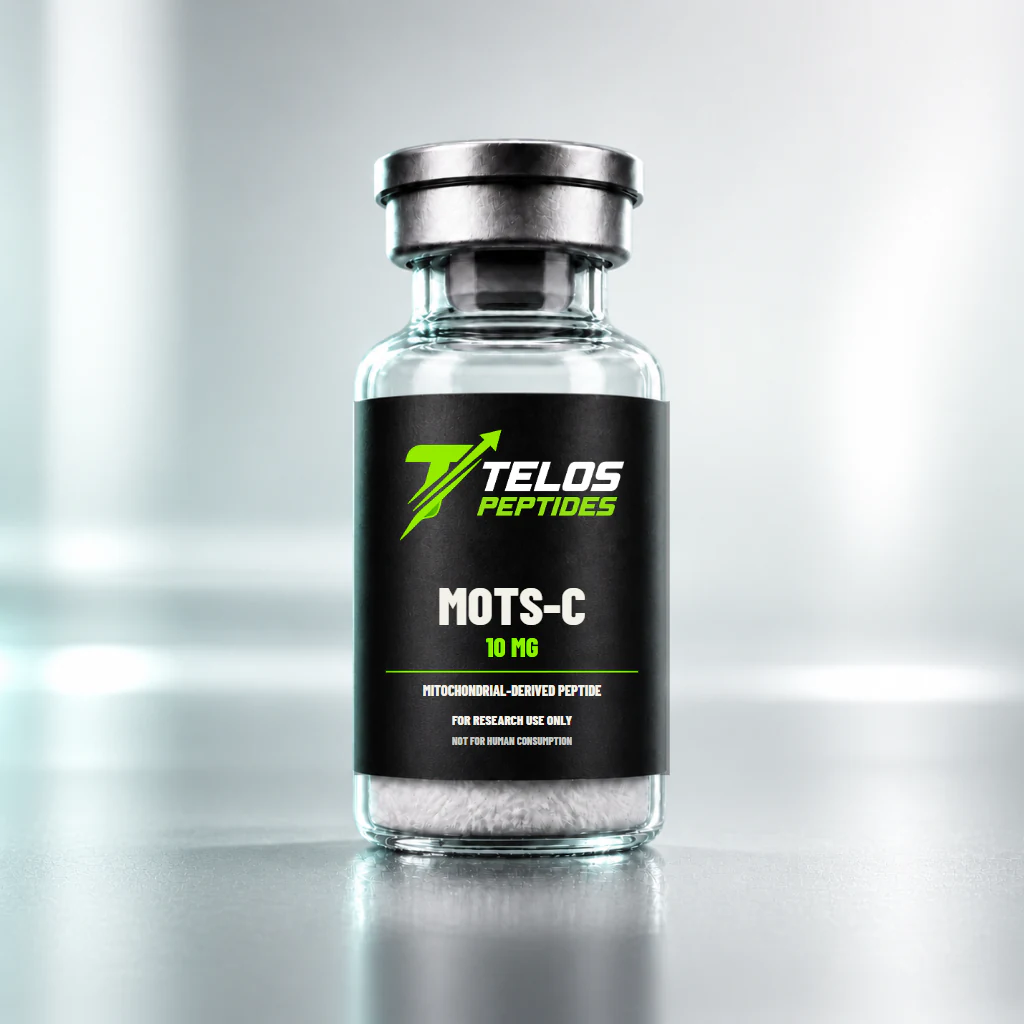
MOTS-C – a mitochondrial-derived peptide for research into AMPK signaling and mitochondrial-nuclear crosstalk. 10mg, purity >99%.
✓ 99.9% Purity ✓ Lab Tested ✓ Based in USA
🚚 Fast Delivery 🔒 Privacy Protected ✅ Secure Checkout
Overview
MOTS-c is a 16-amino-acid mitokine encoded within a short open reading frame of the mitochondrial 12S rRNA gene (MT-RNR1), identified in 2015 at USC’s Leonard Davis School of Gerontology. It is one of the founding members of the mitochondrial-derived peptide (MDP) family.
MOTS-c activates AMPK signaling, promotes mitochondrial-nuclear crosstalk, and recapitulates several adaptations associated with exercise physiology in preclinical models. It is studied for its roles in metabolic homeostasis, NRF2-driven antioxidant response, and mitokine biology.
Specification
| Property | Details |
|---|---|
| CAS Number | 1627580-64-6 |
| Chemical Name | MOTS-c (Mitochondrial ORF of 12S rRNA-c) |
| Peptide Type | Mitochondrial-derived peptide (MDP); 16-aa mitokine |
| Sequence | H-Met-Arg-Trp-Gln-Glu-Met-Gly-Tyr-Ile-Phe-Tyr-Pro-Arg-Lys-Leu-Arg-OH |
| Physical Appearance | White lyophilized powder |
| Purity | ≥99% (HPLC & MS verified) |
| Container | Sterile sealed glass vial |
| Storage Conditions | 2–8 °C; protect from light; long-term −20 °C |
| Intended Use | Laboratory research use only (RUO) |
| COA Availability | Lot-specific COA provided per batch |
Potential Research Applications
MOTS-c is employed in experimental models studying retrograde mitochondrial signaling, AMPK-pathway activation, and the molecular consequences of mitokine biology:
- AMPK Signaling Research: Studying AMPK phosphorylation cascades and downstream metabolic pathway activation.
- Mitochondrial-Nuclear Crosstalk: Investigating retrograde signaling from mitochondria to the nucleus in response to metabolic stress.
- Exercise Mimetic Studies: Exploring AMPK-driven adaptations that parallel exercise-induced metabolic changes in animal models.
- NRF2 Antioxidant Response: Studying Nrf2 pathway activation and oxidative stress resilience.
- Metabolic Homeostasis: Models examining insulin sensitivity, glucose regulation, and energy substrate utilization.
FAQ
Find answers to commonly asked questions about MOTS-C below.
Clinically Proven
Why Choose Telos
Every product we ship is engineered to remove variables and let your data speak for itself.
✧
cGMP Origin
Peptides are produced in ISO-9001 facilities that follow cGMP principles.
✦
Triple-Filtered
0.22 µm filtration and gamma irradiation safeguard sterility.
♡
3rd-Party Tested
Each lot is validated by a third-party lab for purity, identity, and endotoxin.
“For Research Only”
Frequently Asked Questions
✧ 1. What are Telos Health peptides used for?
All Telos Health products are sold for research use only. They are not intended for human consumption, therapeutic, or diagnostic use. Our peptides are designed exclusively for controlled laboratory research, educational studies, or analytical testing. Every product label and supporting document clearly reflects this compliance standard.
✦ 2. Who is eligible to purchase peptides?
Purchases are available to verified professionals, licensed clinics, educational institutions, and qualified research entities. Individuals may also purchase peptides for legitimate research or educational purposes, but all buyers must acknowledge and agree to Telos Wellness’s research-only terms prior to completing any order. We do not sell or endorse products for personal or medical use under any circumstance
♡ 3. How should peptides be handled and stored?
Peptides arrive as a lyophilized (freeze-dried) powder. For laboratory reconstitution, use only sterile bacteriostatic water or sterile saline (0.9 percent NaCl). Gently introduce the solvent and swirl—do not shake. Once reconstituted, store at 35°F to 45°F for short-term use, or at –4°F for long-term preservation. Protect vials from light and moisture, and avoid repeated freeze and thaw cycles to maintain stability.
⟡ 4. Why do peptide vials appear nearly empty?
Because peptides are measured in milligrams, the quantity often appears minimal or as a thin layer within the vial. This is completely normal for high-purity research peptides. Each vial undergoes precision weighing and purity testing using high-performance liquid chromatography (HPLC) and mass spectrometry to ensure the correct labeled amount is present.
✧ 5. What documentation and quality assurances come with each product?
Every peptide includes a Certificate of Analysis (COA) verifying its identity, purity (≥ 99 percent), and composition. Each batch is U.S. sourced and assembled under strict quality oversight and internal auditing. Full lot traceability, validated purity testing, and documentation accompany every shipment to ensure reproducibility, compliance, and scientific reliability.